
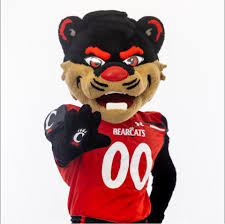
Mascot auditions are different from almost any other job interview. You probably won’t win the position by having the best résumé or giving the perfect interview answer. At some point, you’ll have to put on a mascot suit and prove that you can bring a character to life.
A strong mascot audition is about character, movement, creativity, improvisation, crowd interaction, and your ability to entertain without saying a word.
Whether you’re auditioning for a high school, college, minor league team, or professional sports organization, here’s how to prepare.
What Happens at a Mascot Audition?
Every mascot audition is different, but performers may be asked to complete activities such as:
- Improvisation
- Character walks
- Poses
- Dancing
- Skits
- Prop work
- Crowd interaction
- Sports-related scenarios
- Nonverbal communication
- Interviews
- Physical conditioning
- In-costume performance
Some programs may also give you scenarios with little or no preparation.
That’s intentional.
Mascot performers constantly encounter situations they couldn’t possibly rehearse beforehand. Audition judges want to see whether you can stay in character and create something entertaining on the spot.
1. Research the Mascot Before Your Audition
Don’t walk into an audition knowing nothing about the character you’re trying to become.
Research the mascot.
Watch videos.
Look through social media.
Attend a game if possible.
Pay attention to:
- Personality
- Signature movements
- Walk
- Poses
- Traditions
- Props
- Skits
- Fan interactions
- Relationship with cheerleaders and spirit squads
- How the mascot celebrates
- How the mascot reacts when the team loses
You’re not trying to perfectly imitate the previous performer.
You’re trying to understand who the character already is.
If the mascot has an established personality, your audition should respect it.
2. Build a Character, Not Just a Performance
One of the biggest differences between an average mascot performer and a great one is character consistency.
Your mascot shouldn’t suddenly become a completely different person depending on the situation.
Before auditioning, decide:
Who is this character?
Maybe they’re:
Mischievous.
Confident.
Goofy.
Competitive.
Curious.
Lovable.
Chaotic.
Then ask:
How would this character walk?
How would they celebrate?
How would they react to losing?
How would they meet a child?
How would they respond to an opposing fan?
Your answers should feel connected.
That’s character development.
3. Make Everything Bigger
Mascot costumes absorb movement.
A small wave may barely be noticeable.
A normal shrug might look like you’re standing still.
Movements that feel ridiculous inside the costume can look completely natural from the audience.
Practice exaggerating:
- Arm movements
- Head movements
- Reactions
- Walks
- Celebrations
- Poses
Record yourself whenever possible.
The camera will tell you whether your movements are actually readable.
4. Practice Your Mascot Walk
Your walk is one of the simplest ways to establish character.
Don’t just walk normally while wearing a mascot suit.
Experiment.
Maybe your character:
- Bounces
- Struts
- Marches
- Sneaks
- Swaggers
- Takes exaggerated steps
- Swings their arms
You don’t necessarily need an outrageous walk.
But you should look like the character even when you’re simply moving from Point A to Point B.
5. Practice Poses
You’ll probably take thousands of pictures if you get the job.
Start practicing now.
Develop several poses you can immediately use.
Try:
The hero pose
The excited pose
The confused pose
The victory pose
The tough pose
The shocked pose
The heart/love pose
Then practice transitioning quickly between them.
A mascot shouldn’t stand in exactly the same pose for every photo.
6. Get Comfortable With Improv
You cannot script an entire mascot appearance.
Eventually, something weird is going to happen.
That’s part of the fun.
Practice reacting to random scenarios.
Ask a friend to call them out:
Your team just scored.
Your team just lost.
A fan challenges you to a dance battle.
Someone steals your hat.
A referee makes a terrible call.
A kid is scared of you.
You accidentally drop your prop.
The music suddenly stops.
An opposing fan starts celebrating in front of you.
Give yourself only a few seconds to react.
The goal isn’t necessarily to be hilarious every time.
The goal is to remain the character without freezing.
7. Learn to Tell a Story Without Talking
Mascots usually don’t have dialogue.
That means your audience needs to understand what’s happening through movement alone.
Try this exercise:
Act out a simple story without speaking.
For example:
You find a wallet → realize it’s full of money → celebrate → realize it belongs to someone nearby → reluctantly return it.
Could someone understand the story without explanation?
If not, make your movements clearer.
Mascot performance is essentially visual storytelling.
8. Don’t Try Too Hard to Be Funny
This sounds strange because mascots are supposed to be entertaining.
But forcing jokes can actually make an audition worse.
Instead, focus on:
Character + situation + reaction.
If your character genuinely reacts to what’s happening, comedy often happens naturally.
You don’t need to perform 14 backflips, throw yourself into a trash can, and launch a T-shirt into the parking lot to prove you’re entertaining.
Sometimes a perfectly timed slow turn toward the referee is funnier than an entire skit.
9. Practice Dancing
You don’t need to be a professional dancer to become a great mascot.
But you should be comfortable moving to music.
Practice:
- Finding the beat
- Simple choreography
- Freestyle dancing
- Starting and stopping cleanly
- Using the mascot’s entire body
- Adjusting movements to different music styles
Try practicing with songs you’ve never heard before.
Auditions may not give you your preferred playlist.
10. Practice With Props
Props can give you something to interact with and create opportunities for visual comedy.
Grab random household objects and challenge yourself to make them entertaining.
A broom.
A cardboard box.
A basketball.
A giant sign.
A pool noodle.
A folding chair.
Ask yourself:
What would my character do with this?
This helps train the creative instincts you’ll need during auditions and real performances.
11. Work on Your Physical Conditioning
Mascot performing can be exhausting.
You’re dancing, running, interacting with fans, carrying props, climbing stairs, and performing inside a costume that can trap significant heat.
Your audition may test your stamina.
You don’t need to train like an Olympic athlete, but cardiovascular fitness and general conditioning can make performing much easier.
Most importantly, understand your limits.
No audition is worth putting yourself in danger.
12. Wear the Right Clothes Under the Costume
If you’ll be performing in costume during the audition, wear lightweight athletic clothing appropriate for the environment and the program’s instructions.
Bring extras if possible.
A basic audition bag might include:
- Athletic shirts
- Athletic shorts
- Socks
- Athletic shoes
- Towel
- Water
- Deodorant
- Hair ties if needed
- Change of clothes
If the organization gives you specific instructions, follow those instead.
Showing up prepared is part of the audition.
13. Listen to the Judges
This sounds obvious.
It isn’t.
Mascot auditions can be exciting and stressful, and performers sometimes become so focused on impressing everyone that they stop listening.
If you’re given a specific scenario, do the scenario.
If you’re given 30 seconds, don’t perform for three minutes.
If judges give you feedback and ask you to try again, demonstrate that you can adjust.
Being coachable matters.
Teams aren’t simply hiring the person who performs best that afternoon.
They’re selecting someone they may work with for months or years.
14. Remember That You’re Auditioning Outside the Suit Too
Your performance matters.
So does everything else.
Programs may notice whether you’re:
- On time
- Respectful
- Prepared
- Coachable
- Positive
- Reliable
- Supportive of other performers
Mascot programs often involve long games, late-night events, road trips, rehearsals, community appearances, and stressful situations.
Talent matters.
But organizations also want someone they can trust.
15. Don’t Copy Another Performer
Watching experienced mascots is one of the best ways to learn.
But don’t turn your audition into an impression of someone else.
Take inspiration from great performers.
Study their timing.
Study their movement.
Study how they interact with fans.
Then develop your own performance style.
The goal isn’t to become somebody else’s mascot.
It’s to demonstrate what you can bring to the character.
A Simple Mascot Audition Practice Routine
If your audition is coming up, try running through this practice session several times:
|
Time |
Exercise |
|---|---|
|
5 minutes |
Character walk and movement |
|
5 minutes |
Poses and emotions |
|
10 minutes |
Random improv scenarios |
|
10 minutes |
Dancing to random songs |
|
10 minutes |
Prop improvisation |
|
10 minutes |
Silent storytelling |
|
10 minutes |
Skit creation |
Record portions of your practice.
Then watch without judging yourself based on how the performance felt.
Ask:
What would the audience actually see?
That’s what matters.
Common Mascot Audition Mistakes
Avoid these common problems:
Moving Too Small
Your gestures may feel enormous inside the costume while barely registering to the audience.
Breaking Character
Stay committed even when something unexpected happens.
Repeating the Same Moves
If every interaction ends with the same dance or pose, your performance becomes predictable.
Ignoring the Character
Being entertaining isn’t enough if your performance doesn’t fit the mascot you’re auditioning for.
Overcomplicating Everything
Simple ideas executed clearly are often better than complicated ideas nobody understands.
Forgetting the Audience
Mascotting isn’t about showing everyone how talented you are.
It’s about entertaining them.
What Are Mascot Audition Judges Looking For?
Different programs prioritize different things, but judges may evaluate:
|
Skill |
What It Means |
|---|---|
|
Character |
You consistently bring the mascot’s personality to life |
|
Movement |
Your actions are large, clear, and intentional |
|
Creativity |
You generate entertaining ideas |
|
Improv |
You react quickly to unexpected situations |
|
Crowd Interaction |
You connect naturally with different audiences |
|
Coachability |
You listen and adjust based on feedback |
|
Stamina |
You can maintain energy while performing |
|
Professionalism |
You’re reliable, prepared, and easy to work with |
You don’t necessarily have to be the best dancer or most athletic person at the audition.
Being a complete performer matters.
Frequently Asked Questions About Mascot Auditions
How do you prepare for a mascot audition?
Research the character, practice exaggerated movement, develop poses, work on improvisation, practice dancing, create short skits, and become comfortable communicating without speaking. Recording yourself can also help you understand what your performance looks like from the audience’s perspective.
Do you need mascot experience to audition?
Not necessarily. Requirements vary by organization. Some programs welcome beginners, while professional positions may prefer or require previous mascot, entertainment, acting, dance, or performance experience.
Do you have to know how to dance to be a mascot?
You don’t have to be a professional dancer, but rhythm and confidence are valuable mascot skills. Practice moving to different styles of music and maintaining your character while dancing.
What should I bring to a mascot audition?
Follow the organization’s instructions first. Generally, performers may want athletic clothing, athletic shoes, water, a towel, extra clothes, and any materials specifically requested by the program.
How can I stand out at a mascot audition?
Develop a clear character, make your movements readable, demonstrate creativity, interact well with others, listen to feedback, and stay committed to the character. Being reliable and coachable can be just as important as performing an impressive trick.
Looking for Your Next Mascot Opportunity?
If you’re preparing for an audition, you’re already doing something right: you’re taking the craft seriously.
Get My Mascot is building resources for performers at every stage—from people putting on a mascot suit for the first time to experienced performers looking for their next professional opportunity.
Check out the Get My Mascot Job Listings to discover mascot jobs and auditions, or explore Mascot Coaching to connect with experienced current and former performers who can help with audition preparation, character development, performance skills, and career advice.
Your next mascot opportunity could be one audition away.
Now go make them remember you.
Leave a Reply