
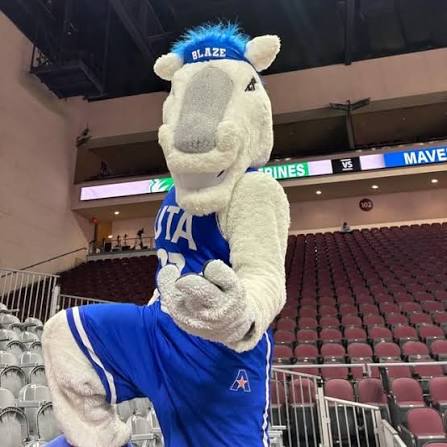
Being a mascot looks pretty simple from the outside.
Put on the costume. Wave to some kids. Take pictures. Dance around. Done.
Anyone who has actually spent time inside a mascot suit knows there’s a lot more to it.
New performers often make the same mistakes when they’re learning—and fixing a few of them can make a huge difference in how professional, entertaining, and believable the character looks.
Here are 10 common mistakes new mascot performers should avoid in 2026.
1. Moving Too Small
This is probably one of the most common beginner mistakes.
Normal human movements often look tiny inside a giant mascot costume.
If you’re surprised, don’t just slightly move your head.
JUMP BACK!
If you’re confused, don’t casually shrug.
Throw those arms out and exaggerate it!
Mascot performance is all about making emotions visible from across a room, court, field, or stadium.
When in doubt—go bigger.
2. Constantly Waving 👋
We’ve talked about this one before, but it’s worth repeating.
New mascots often fall into the trap of:
Walk. Wave.
Walk. Wave.
Picture. Wave.
Walk. Wave.
You’re not a parade float.
Instead, look for opportunities to create interactions.
Give someone a fist bump. Challenge someone to rock-paper-scissors. Copy someone’s dance moves. Pretend to steal someone’s hat. Celebrate their outfit.
Make every interaction slightly different.
3. Breaking Character
Once that mascot head goes on, you are the character.
Don’t casually remove your head where the public can see you. Don’t start talking through the costume. Don’t stand around checking your phone while wearing half the suit.
The illusion is part of what makes mascots special.
Protect it.
4. Forgetting About Your Eyes
Your mascot’s eyes probably aren’t your actual sightline.
That creates an interesting problem.
You might think you’re looking directly at someone while the character appears to be staring three feet to their left.
Learn where you see through your particular costume and practice positioning the mascot’s eyes and face toward the person you’re interacting with.
This makes a huge difference in photos.
5. Getting Too Close to People
Mascot costumes are BIG.
What feels like a normal distance to you can feel very different to the person standing in front of a giant character.
Be particularly careful around young children.
If a child seems nervous, don’t rush toward them.
Wave from a distance. Lower yourself toward their level when appropriate. Give them space.
Let them decide whether they want to come closer.
6. Ignoring Your Handler
Your handler isn’t just there to carry your water bottle.
They are another set of eyes.
Mascot costumes can dramatically reduce peripheral vision, hearing, mobility, and awareness of your surroundings.
A good handler can alert you to obstacles, communicate with event organizers, manage crowds, watch the clock, help with appearances, and recognize when you need a break.
Work as a team.
7. Trying to Perform Too Long
You don’t earn bonus points for staying in the suit until you’re completely exhausted.
Mascot costumes can become extremely hot.
Plan breaks before the appearance begins, have water available, know where your private changing/rest area is, and communicate with your handler.
A great 20-minute performance followed by a proper break is better than an exhausted performer barely moving because they refused to step away.
8. Not Checking the Costume Beforehand
Imagine arriving at an appearance and discovering:
The shoe is damaged.
The jersey is missing.
The head fan isn’t charged.
The costume smells terrible.
A seam is coming apart.
That’s not when you want to discover the problem.
Create a pre-appearance checklist and inspect everything before leaving for the event.
9. Waiting for People to Entertain You
Don’t stand in the corner waiting for someone to approach.
You’re the mascot.
Go find the fun.
Walk through the crowd. Find someone dancing. React to what’s happening. Celebrate with people. Look for funny situations.
Great mascot performers don’t simply attend events.
They create moments within them.
10. Trying to Be Someone Else’s Mascot
It’s smart to study great performers.
But don’t become a copy of them.
You can learn from professional mascots, collegiate mascots, other performers, and viral videos without duplicating their entire character.
Your mascot should develop its own personality, traditions, mannerisms, and style.
Ask yourself:
What makes OUR character different?
That’s ultimately what audiences will remember.
Everyone Starts Somewhere
Nobody becomes a great mascot performer after their first appearance.
Your timing improves.
Your movements get bigger.
You learn your sightlines.
You become better at improvising.
You discover which interactions work—and which ones definitely don’t. 😂
The important thing is to treat every appearance as an opportunity to improve.
Study other performers. Ask for feedback. Watch videos of yourself. Work with experienced mascots and coaches. And most importantly, spend time performing.
Because becoming a professional mascot isn’t really about learning how to wear a costume.
It’s about learning how to bring a character to life. 🐯🔥
Leave a Reply