
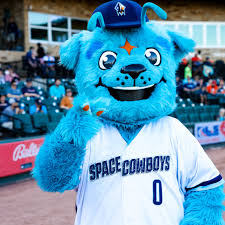
Having a great mascot is one thing. Getting people to actually hire that mascot for appearances is another.
Many schools, sports teams, businesses, nonprofits, and organizations have incredible mascot characters—but the only time the public sees them is at games or official events. That can mean missing opportunities for community engagement, brand exposure, and even additional revenue.
If your mascot is available for appearances, here are some ways to make it easier for people to find and book them.
1. Make It Obvious That Your Mascot Is Available
This sounds simple, but it’s one of the biggest problems.
Someone might love your mascot and want them at a birthday party, fundraiser, school assembly, grand opening, or community event—but have absolutely no idea whether that’s possible.
Don’t make people guess.
Clearly state that your mascot is available for appearances and explain what kinds of events you’ll consider.
2. Create a Dedicated Mascot Booking Page
Sending customers to a general contact form or asking them to hunt for the correct email address creates unnecessary friction.
Your mascot should have a page that answers the basic questions:
- Who is the mascot?
- Where are they located?
- What types of events do they attend?
- How far will they travel?
- What does an appearance cost?
- How long are appearances?
- How do I request the mascot?
- What information do I need to provide?
Most importantly, give visitors an obvious Request This Mascot button.
3. Show Your Location and Travel Area
Location matters.
Someone planning an event in Texas probably isn’t going to spend much time looking at a mascot in New York unless that mascot travels.
Tell potential customers where you’re based and how far you’re willing to go.
This is also why location-based mascot directories can be useful. Someone searching for entertainment shouldn’t necessarily need to know your mascot exists beforehand—they should be able to search “mascots near me” and discover you.
4. Include Real Photos
Your mascot profile shouldn’t have one blurry picture from five years ago.
Show people what an appearance actually looks like.
Include photos of your mascot interacting with fans, posing with families, attending community events, performing at games, visiting businesses, and participating in other appearances.
Good photos help potential customers imagine the mascot at their event.
5. Give People an Idea of Pricing
You don’t necessarily need to publish an exact price.
Every appearance can be different depending on travel, duration, event type, and other requirements.
But even something like:
Appearances starting at $150
or
Contact for pricing
is better than leaving visitors wondering whether an appearance costs $50 or $5,000.
A price range can also reduce inquiries from people whose budgets aren’t a fit.
6. Explain What the Mascot Can Actually Do
Don’t simply say:
Available for appearances.
Give people ideas!
For example:
Birthday Parties 🎂
Photos, games, dancing, surprises, and guest interactions.
School Events 🏫
Assemblies, reading programs, field days, Red Ribbon Week, pep rallies, and fundraisers.
Corporate Events 🏢
Grand openings, employee celebrations, promotional events, conferences, and customer appreciation events.
Community Events 🎪
Festivals, parades, charity events, races, fairs, and local celebrations.
Sometimes customers simply need inspiration.
7. Make Responding Easy
A booking request shouldn’t require twenty emails just to determine what someone wants.
Ask for the important information upfront:
Event date
Event time
Location
Type of event
Appearance length
Expected attendance
What you’d like the mascot to do
Then the mascot organization can quickly determine whether the opportunity is a good fit.
8. Keep Your Mascot Information Updated
Pricing changes.
Performers change.
Travel availability changes.
Contact information changes.
Even costumes get redesigned.
Review your mascot’s public information periodically to make sure people aren’t finding outdated photos, dead links, old prices, or email addresses nobody checks anymore.
9. Promote the Mascot Outside of Game Day
Your mascot’s social media shouldn’t only say:
“Come to tonight’s game!”
Show people that the character exists outside the stadium.
Post pictures from community appearances. Share funny mascot moments. Highlight birthdays and school visits. Show behind-the-scenes preparation. Create entertaining videos.
Then occasionally remind followers:
Want our mascot at your event? Here’s how to request an appearance.
People can’t book something they don’t know is available.
10. Put Your Mascot Where People Are Already Searching
Your organization’s website and social media are important—but they mostly reach people who already know who you are.
Directories can introduce your mascot to people who are simply searching for entertainment in their area.
That’s one of the reasons we created Get My Mascot.
We’re building a searchable directory and interactive map where people can discover mascots from sports teams, schools, businesses, nonprofits, independent performers, and other organizations.
Instead of knowing exactly which mascot they want beforehand, visitors can explore who’s nearby.
Your Mascot Can Be More Than a Sideline Character
A mascot can become an incredible community ambassador.
Every birthday party introduces the character to another family. Every school assembly introduces them to hundreds of students. Every corporate appearance puts the organization in front of another audience.
And every great interaction creates another person who remembers your mascot.
If your character is already sitting in a costume closet between games, there may be a much bigger opportunity waiting outside the stadium.
Make your mascot easy to find. Make them easy to request. And give them more opportunities to do what mascots do best—make people smile. 🐯
Leave a Reply